
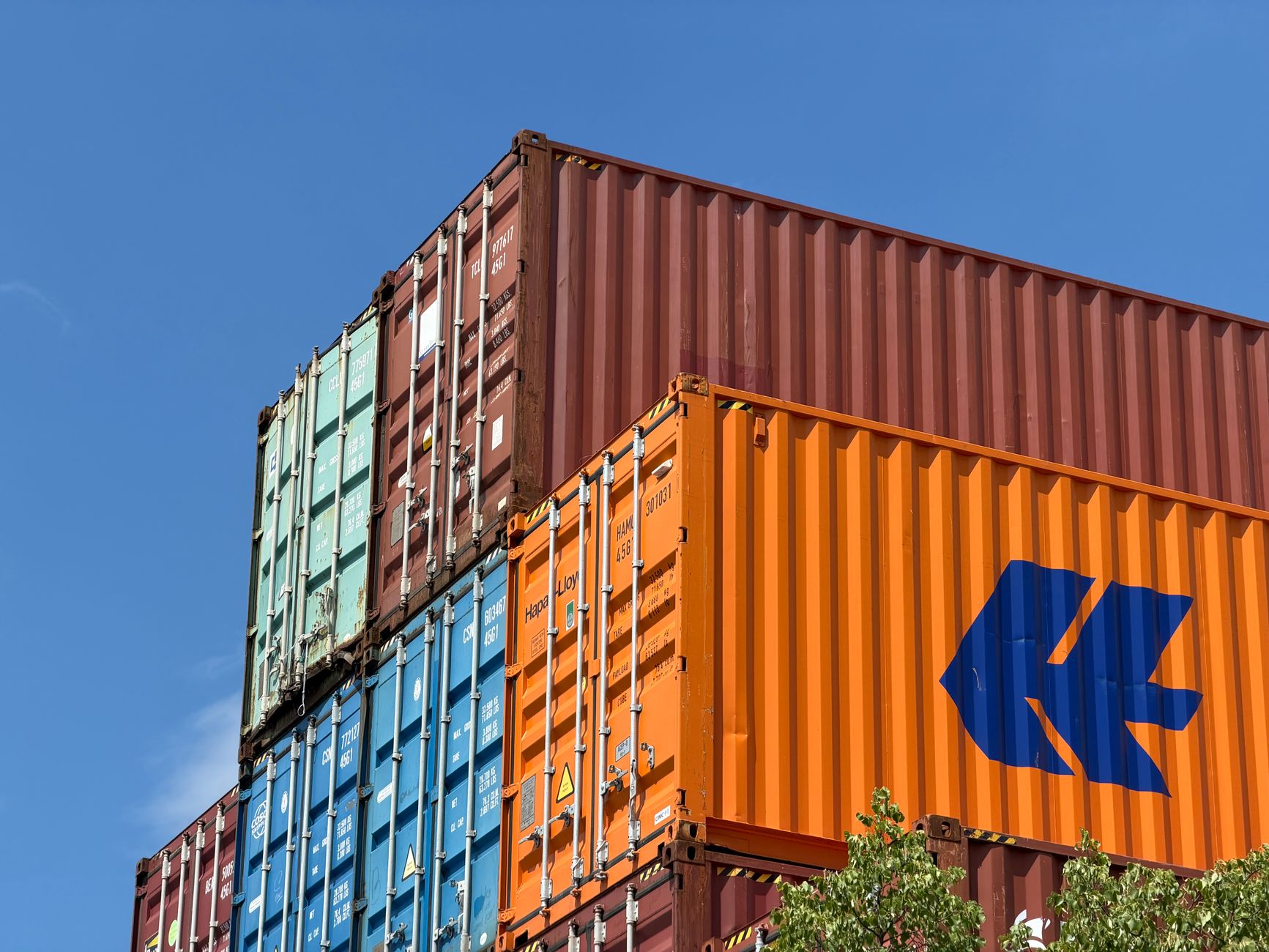
Germany's bilateral trade deficit with China is deepening, driven by a sharp drop in German exports to China and a steady rise in imports. In the first five months of 2026, German imports from China climbed 6.2% year-on-year to 72.4 billion euros, while exports to China fell 14.5% to 29.6 billion euros, pushing the import surplus to 42.8 billion euros from 33.5 billion euros a year earlier.
The shift reflects a structural change in China's industrial strategy. Beijing's current five-year plan targets lifting industrial capacity from 30% to 45%, a move that pulls a growing share of European demand toward Chinese factories. Chinese exports of machinery, electric vehicles, and batteries have surged, while German carmakers face weakening Chinese consumer demand and rising domestic competition.
Data from China's customs authority shows Chinese exports to Germany jumped 19% to $67.5 billion in the first half of 2026, while German exports to China edged up only modestly to $45.1 billion. The resulting Chinese surplus with Germany widened to about $22.3 billion from roughly $12.3 billion a year earlier. At the EU level, China's shipments rose 17% to $312 billion, while EU deliveries to China increased about 9% to $135 billion, leaving a deficit of $176.7 billion — roughly $1 billion per day.