Farrsal
Financial news and analysis

Global insights for better decisions.

Economic, market and geopolitical coverage with clear context.

FarrsalNews for a Smarter Tomorrow
Financial news and analysis•2 min readPage 2 of 2

Strait of Hormuz Reopening Sends Oil Prices Tumbling — But Risks Remain

The Strait of Hormuz, a critical artery for global oil shipments, has fully reopened, unleashing a wave of supply that has driven Brent crude prices down roughl…

Farrsal Editorial
Farrsal · News for a Smarter Tomorrow
f𝕏WAin
Strait of Hormuz Reopening Sends Oil Prices Tumbling — But Risks Remain
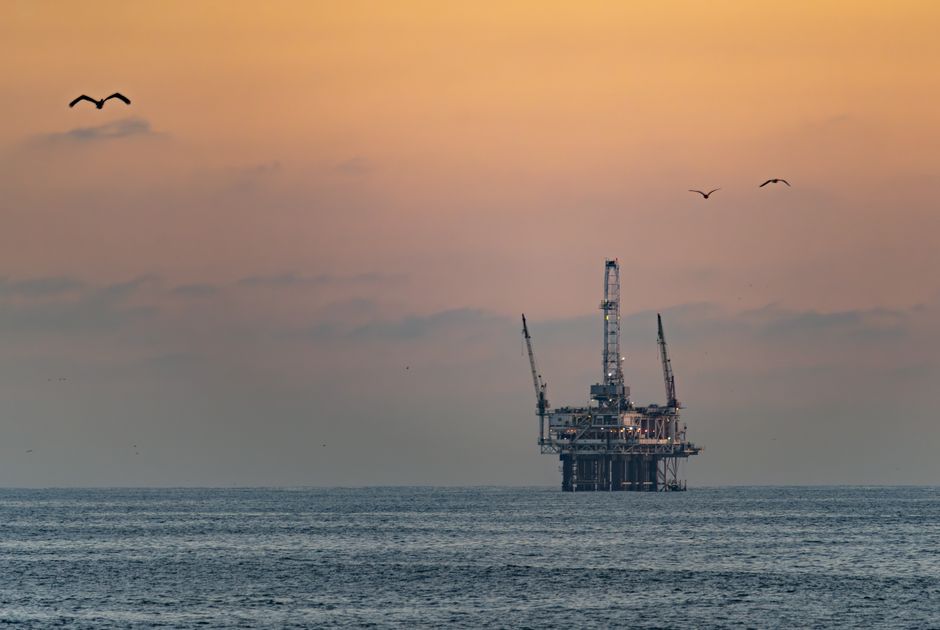
Article image: Strait of Hormuz Reopening Sends Oil Prices Tumbling — But Risks Remain

Article Highlights

Excerpts from the article

  • The Strait of Hormuz, a critical artery for global oil shipments, has fully reopened, unleashing a wave of supply that has driven Brent crude prices…
  • Before the reopening, daily oil shipments through the strait averaged about 10 million barrels. That figure has since jumped by 3 million barrels per…
  • For importing nations and energy-intensive industries, the rout in oil prices is a clear boon. Lower input costs can ease inflationary pressures and…

Second, persistently low prices risk choking off investment in new production capacity. If drilling and exploration projects are shelved today, the market could face a supply shortage in the medium term, setting the stage for the next price spike.

For now, the market is absorbing the immediate supply boost. But the underlying fragility of the strait as a chokepoint remains a wild card.

Market Implications

The reopening has injected short-term volatility into commodity markets. Energy stocks have come under selling pressure, while bonds of oil-importing nations have strengthened on lower inflation expectations.

What to Watch

  • Volume of actual shipments through the Strait of Hormuz in the coming weeks.
  • Any signs of renewed political friction in the region.
  • Whether low prices will curtail investment in new production capacity, potentially causing a supply gap.

Sources: Source 1

Latest News