
Wall Street’s decline was broad but not disorderly. The S&P 500 fell 1.01 percent, the Nasdaq lost 1.40 percent, and the Dow Jones Industrial Average shed 0.77 percent on Friday, weighed by a technology-led selloff. U.S. stock futures edged higher Monday morning, with Nasdaq-100 contracts up roughly 0.7 percent, but the underlying tension remains: a mega-cap earnings week for Alphabet, Tesla, and Intel is opening against a backdrop of rising energy costs and renewed inflation anxiety.
Bitcoin traded at $65,374 with a 24-hour volume of $31.19 billion, holding near the level it reached after Trump briefly claimed a peace deal in mid-June. The cryptocurrency has oscillated between risk-on rallies on ceasefire hopes and sharp selloffs when the conflict intensifies, reflecting its current role as a macro-sensitive asset rather than a pure safe haven.
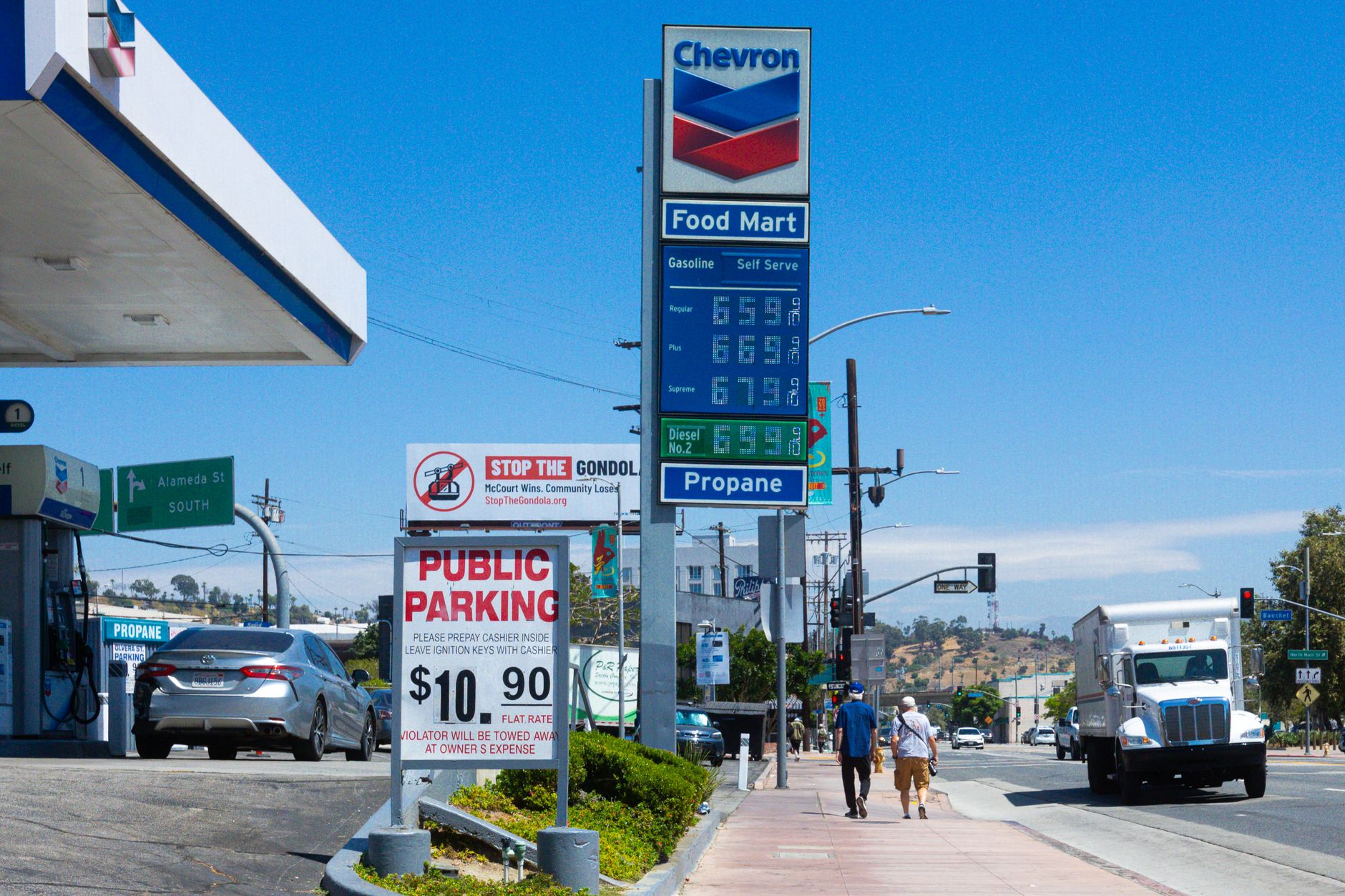
The conflict’s second-order effects are already visible in consumer prices and supply chains. U.S. gasoline at $4 a gallon acts as a direct tax on households, while higher diesel costs pressure the global trucking industry. Crude and product stocks have drawn significantly, and analysts expect them to continue drawing into the fourth quarter, which could warrant higher-for-longer oil prices.
Diplomatic signals remain contradictory. Iran’s Foreign Ministry said mediators had presented proposals, but Supreme Leader Khamenei called Trump’s signature on an interim deal “worthless and invalid,” and a negotiator said Tehran was suspending its commitments. The Houthis announced a naval blockade on Saudi Arabia, opening a potential new front that threatens energy supplies beyond the Gulf.