
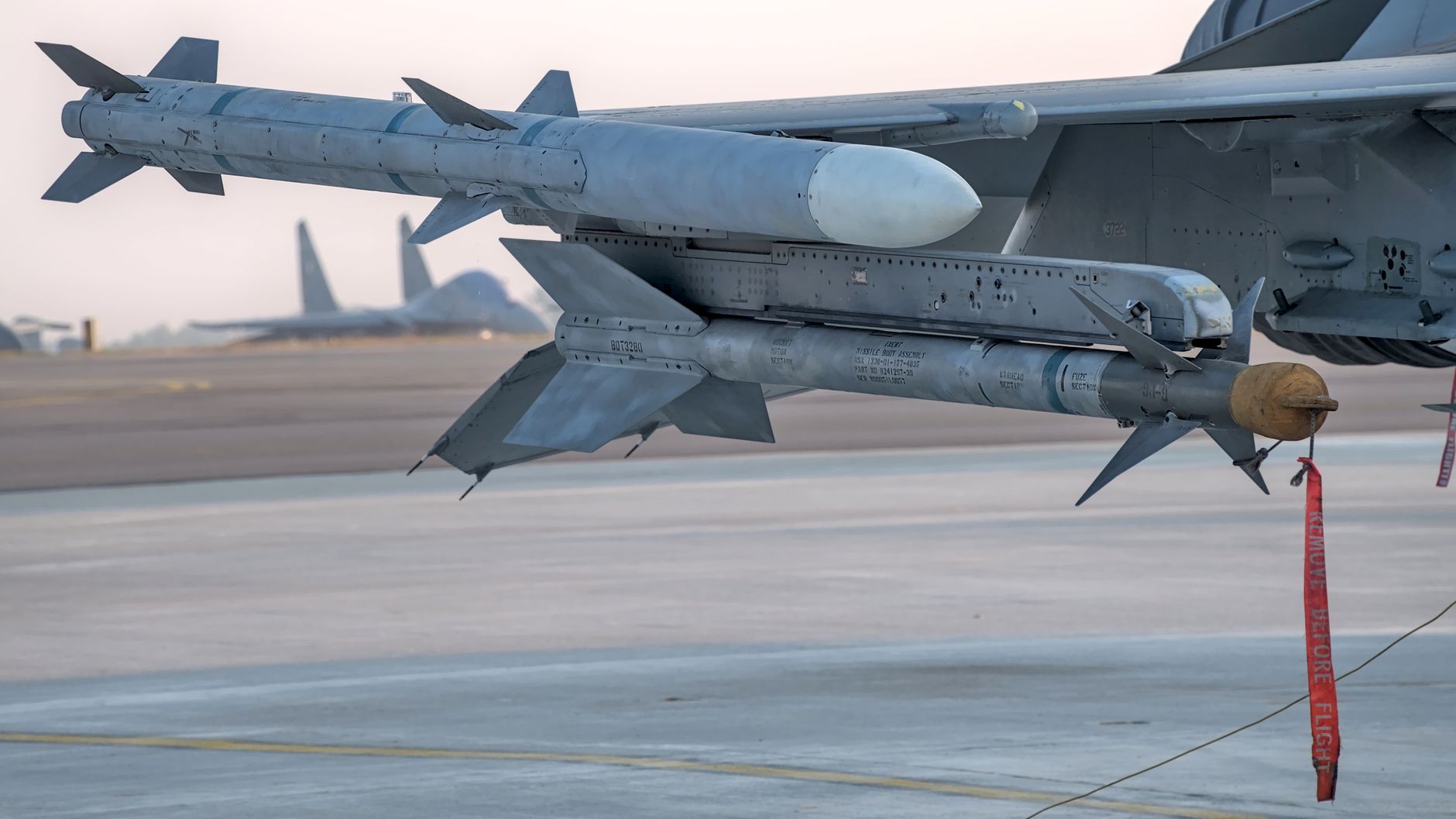
Iran’s Islamic Revolutionary Guard Corps fired ballistic missiles at a US airbase and command centre in Jordan, sending West Texas Intermediate crude up nearly 4% and abruptly testing bitcoin’s ceasefire-driven rally. The strike, confirmed by US Central Command, landed just as markets were pricing in a diplomatic off-ramp between Washington and Tehran.
CENTCOM said all incoming missiles were intercepted, though social media footage appeared to show smoke rising from impact sites, suggesting at least some projectiles may have gotten through. The IRGC described the operation as a response to what it called “aggressive actions” by the United States, warning that resistance would continue as long as threats against Iran persist.
The attack came during a pause in US strikes on Iran, after President Donald Trump halted 13 days of military action to allow “some space” for negotiations. It also followed Iran’s rejection of a Gulf-backed plan for joint management of the Strait of Hormuz, with Deputy Foreign Minister Kazem Gharibabadi stating the waterway “will never return to its prewar state.”
Oil markets reacted swiftly. WTI crude jumped nearly 4%, reversing a sharp sell-off from the prior session when prices had slumped over 8% on hopes of de-escalation. The September WTI contract had settled at $82.61 on July 27, down $6.70, after the US suspended its air strike campaign. The renewed hostilities quickly restored a geopolitical risk premium, underscoring how sensitive crude remains to any disruption around the Strait of Hormuz and Red Sea shipping lanes.