
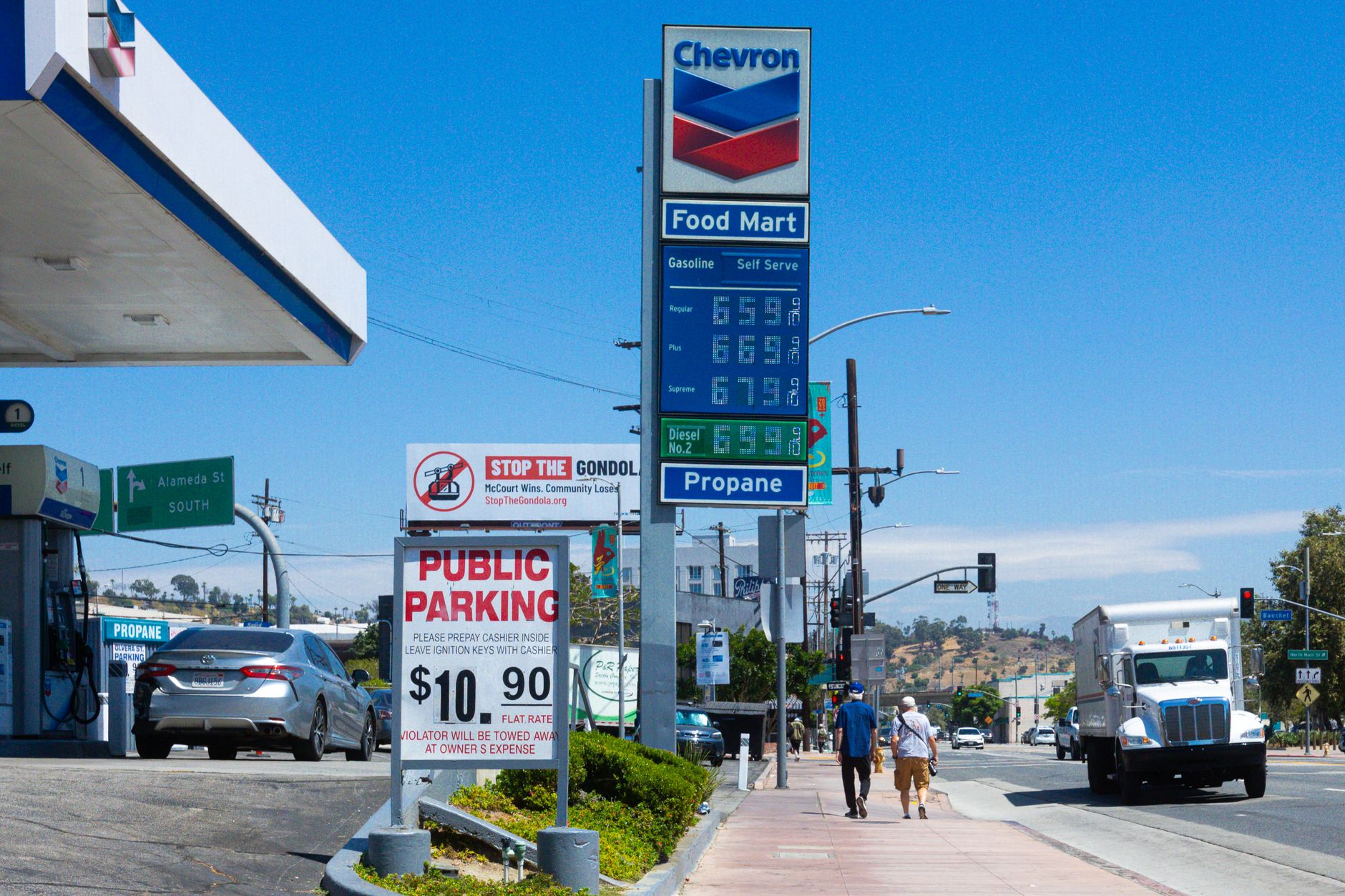
The immediate catalyst is the near-total breakdown of the fragile U.S.-Iran ceasefire and the effective closure of the Strait of Hormuz, a narrow waterway through which roughly one-fifth of the world’s oil consumption normally passes. Shipping data showed Hormuz transits halved to just four vessels on Sunday, and Iran’s Islamic Revolutionary Guard Corps claimed two oil tankers were immobilized while attempting to transit a southern route. The IRGC warned that “this passage will not be safe for the transit of petrochemical products, nor even a single drop of oil and gas” as long as U.S. “aggression” continues.
The conflict has widened well beyond military targets. Kuwait Petroleum Corporation said an Iranian attack on Saturday caused substantial damage to one of its oil facilities, and Kuwait’s army reported intercepting hostile attacks. The U.S. confirmed the death of a third service member, while investigators recovered unidentified remains near the site of an earlier Iranian attack in Jordan that killed two U.S. personnel.
Analysts warn that oil markets may be underestimating supply risks. Crude and product inventories are at five-year lows, and Goldman Sachs estimates that Gulf oil exports—which had recovered to more than 80% of prewar levels after the initial ceasefire—have halted since fighting resumed. “Crude and product stocks have drawn significantly. We expect them to continue to draw into the fourth quarter of this year, which could warrant higher-for-longer oil prices,” said Kyle Bertamini, an analyst at Enverus.