
That uncertainty triggered a sharp bear steepening in the Treasury market. The 30-year yield climbed to 5.231%, its highest level since 2007, while the 10-year yield rose to 4.697%. The policy-sensitive 2-year yield, by contrast, edged down to 4.275%. The widening spread between short- and long-dated bonds signaled that investors are demanding greater compensation for holding longer-term debt, driven by concerns over inflation persistence, fiscal risks, and the durability of economic growth.
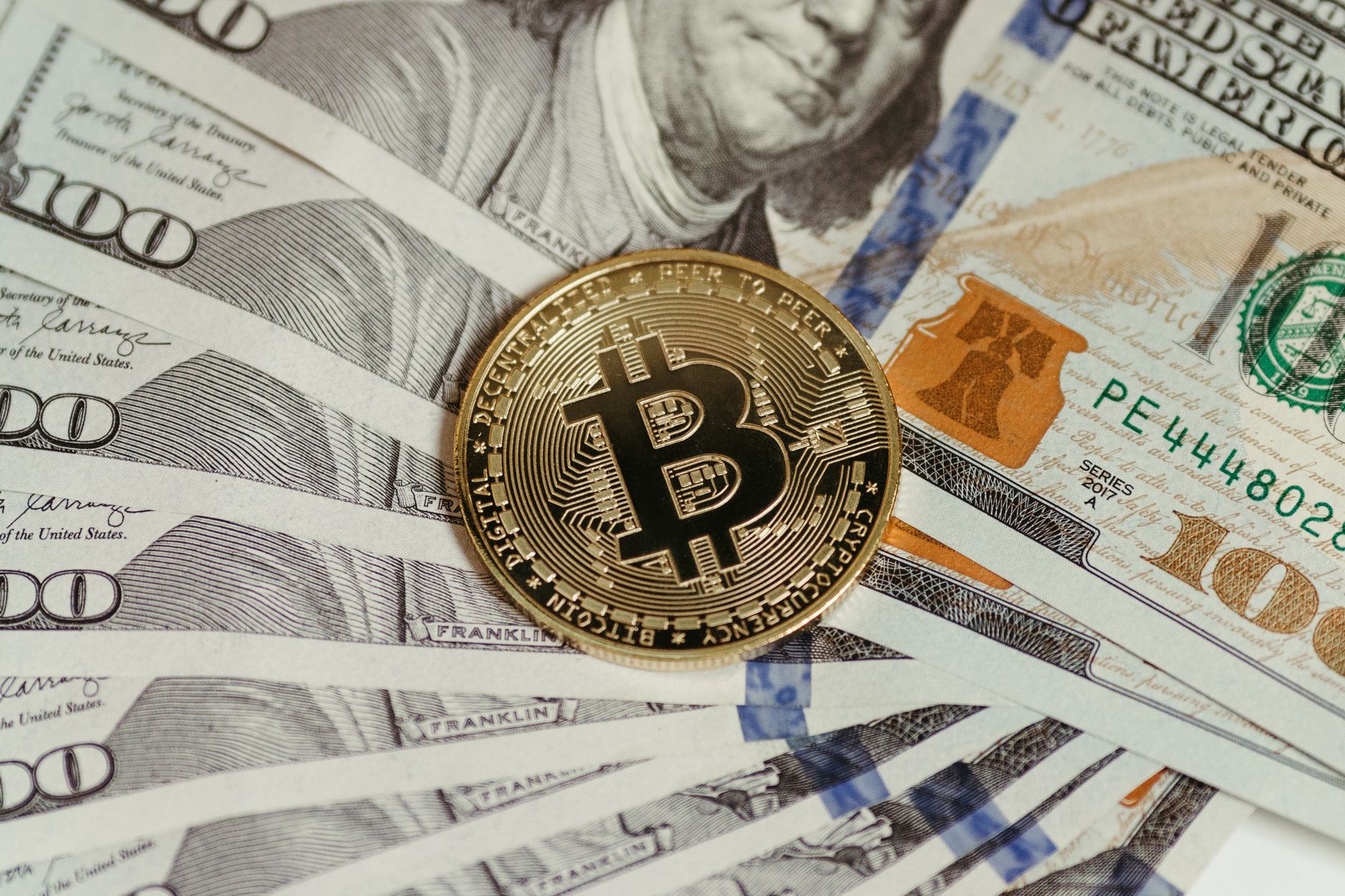
For Bitcoin, the macro shift presents a double-edged sword. On one hand, the reduced likelihood of an imminent rate hike removed a near-term headwind, helping the cryptocurrency firm toward $64,670. On the other, the surge in Treasury yields has made holding cash or bonds more attractive relative to non-yielding assets. The phrase “paid to wait” captures the dilemma: with risk-free returns now exceeding those available from many crypto arbitrage strategies, marginal buyers have less incentive to deploy capital into digital assets.