
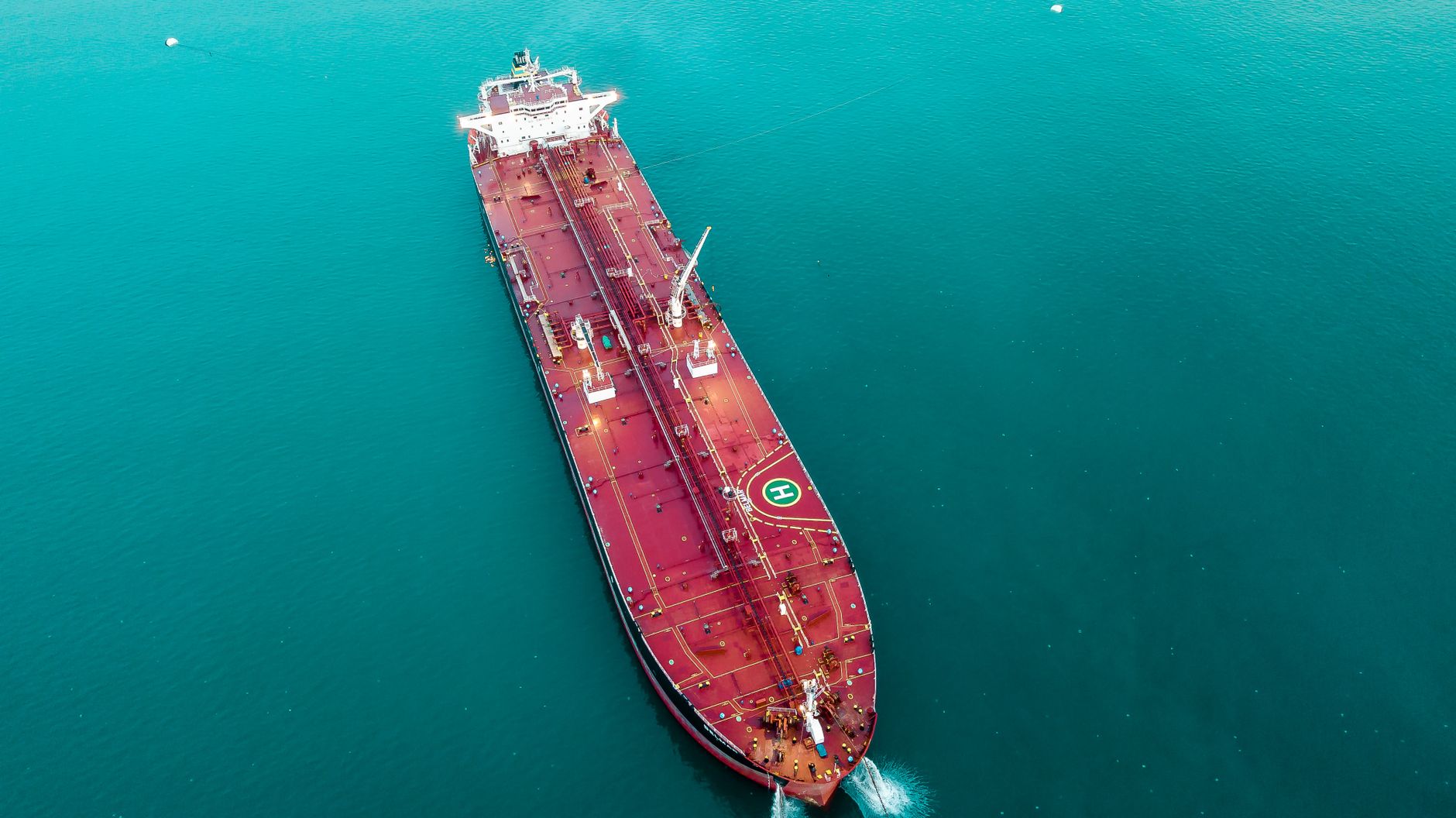
The driver is the Iran conflict, now in its seventh month, which has turned the Strait of Hormuz into a high-risk corridor. Missile threats, drone activity, and the prospect of sea mines have pushed most major shipowners off the route. The few operators still willing to sail command exceptional premiums. A new shuttling system has emerged several miles off Oman's coast, where tankers transfer crude ship-to-ship, creating a floating bridge that cuts the distance any single vessel must travel through the strait. Exports through Hormuz reached about 6.5 million barrels per day in September, the highest since a brief post-ceasefire spike in June, according to Kpler data cited by Reuters.
Yet the workarounds consume effective fleet capacity. Dark-ship operations, STS transfers off Fujairah, and rerouting around the Cape of Good Hope have lengthened voyages — Saudi crude via the Suez Canal now takes 50-plus days versus 20-some before — and increased port congestion to ten days or more at Fujairah and Egypt's Ain Sukhna. CITIC Securities estimates effective VLCC capacity loss at 18.8% to 28.6% since late August. With the global VLCC orderbook showing 306 vessels due by 2030 against 437 ships older than 20 years, analysts expect the tightness to persist into 2027.