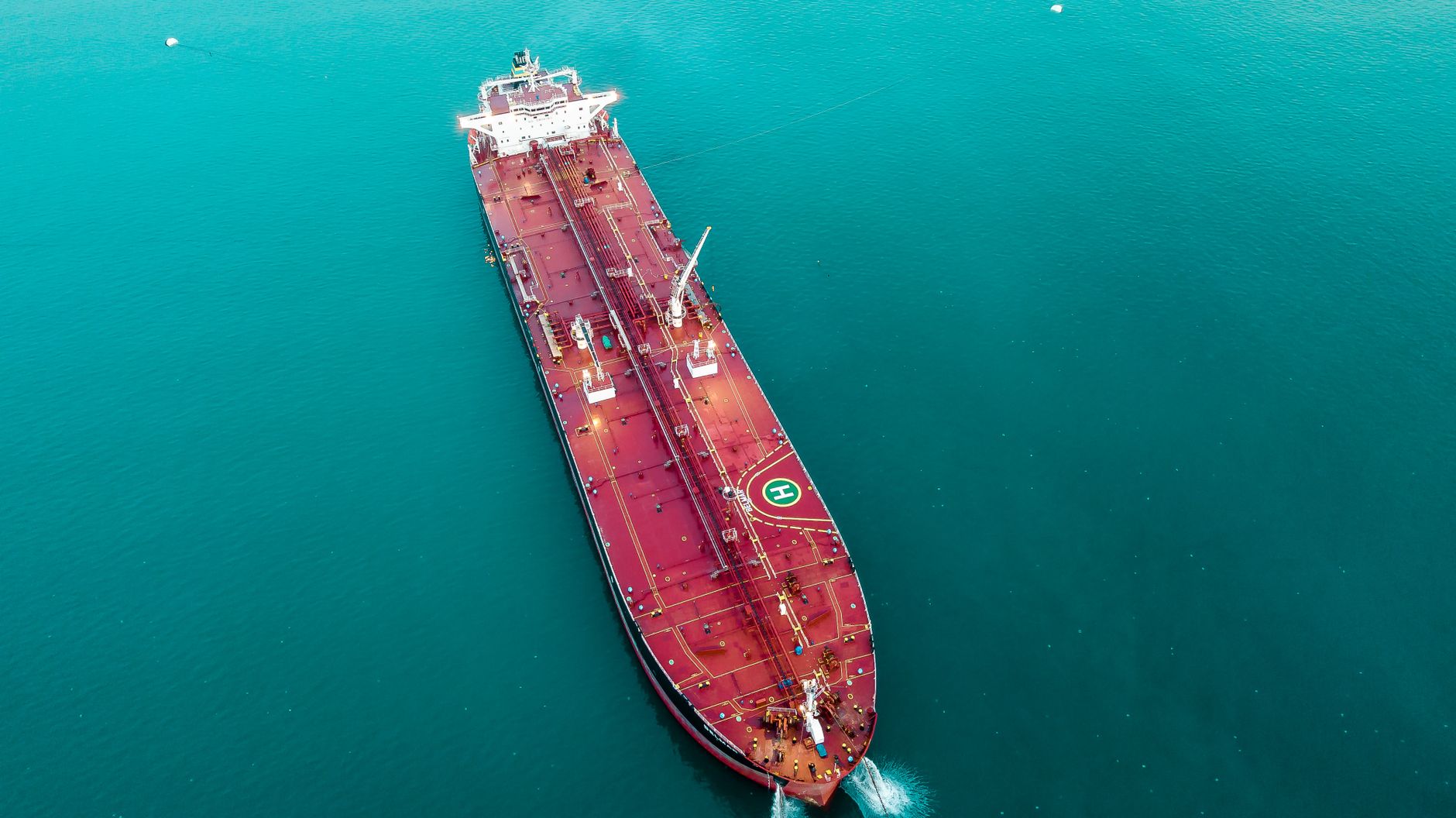
The economics of long-haul crude are breaking. Bloomberg reports that in some regions barely any supertankers are available for hire, making distant barrels uneconomical and pushing refiners toward closer supplies. Vortexa data show US-to-Asia volumes have already fallen as freight tripled. Physical crude premiums have blown out: Dated Brent in Europe topped $131 a barrel when Brent futures peaked near $110. Trafigura chief economist Saad Rahim said oil transportation has never been this expensive, and logistics is becoming a more significant market factor.
For Asian refiners, the closure of Saudi Arabia's East-West pipeline after drone attacks removes a critical Hormuz bypass. South Korea sourced 34.1% of its crude from Saudi Arabia in July, Japan 27.3%, China 14.9%, and India 10.2%. Refineries calibrated for specific grades cannot switch overnight, and the resulting bidding wars for alternative cargoes feed through to diesel, which hit a record $6.51 a gallon in the US. Since transportation consumes about 80% of US diesel, higher costs filter into virtually every shipped good.
The market is repricing tankers from cyclical, low-return assets to "strategic must-have" infrastructure. Whether the current freight layer — now $20 to $40 a barrel on key routes — proves transitory or becomes a structural component of delivered oil prices depends on a single unresolved variable: how long the Strait of Hormuz remains a conflict zone.
Sources: Source 1 · Source 2 · Source 3 · Source 4 · Source 5 · Source 6