
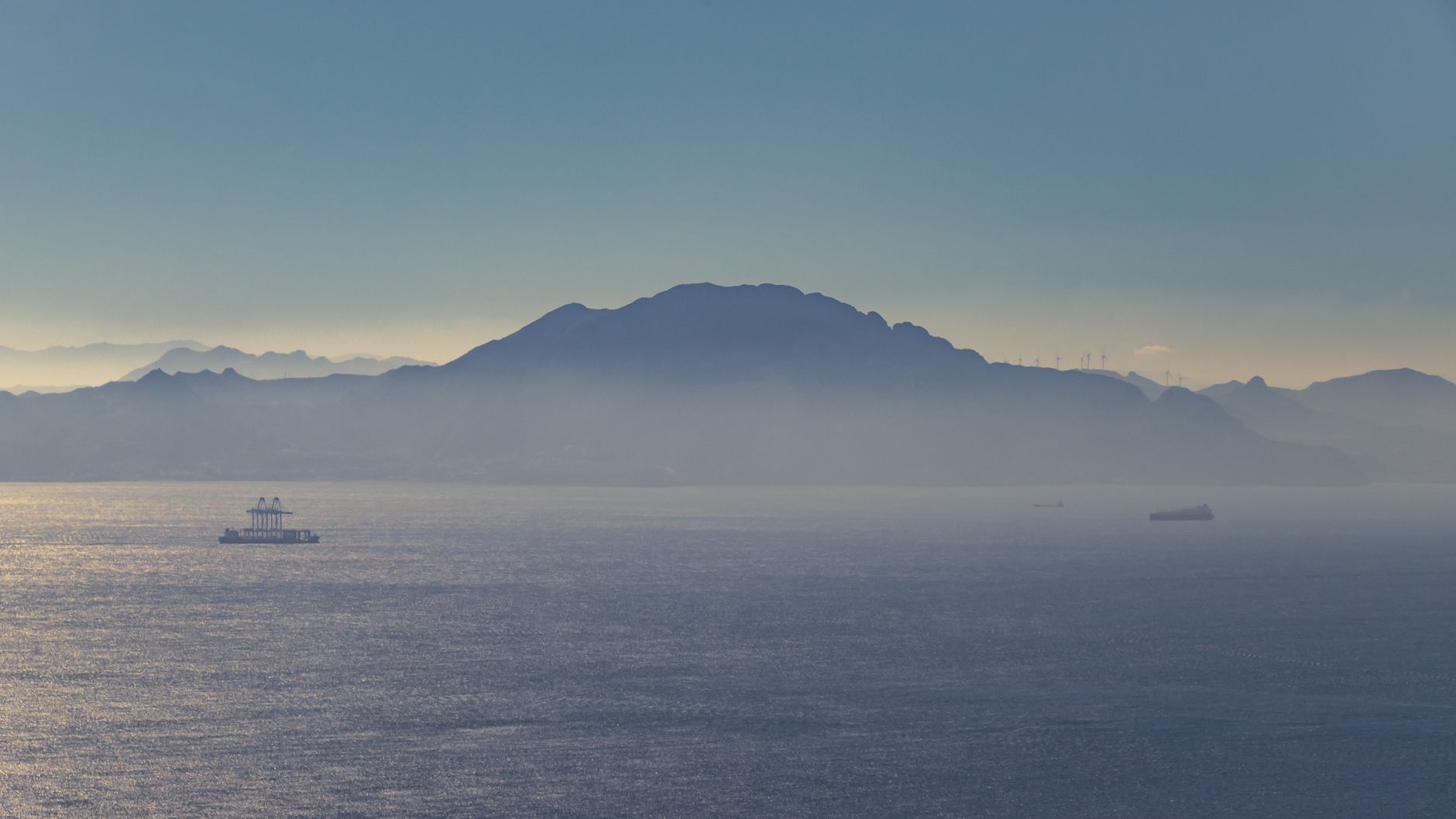
The direct transmission mechanism into global markets is the collapse of commercial traffic through the Strait of Hormuz. Shipping data from LSEG showed only four vessels made the crossing on Sunday, down from eight the previous day. On Thursday, just three commodity vessels transited—a fraction of the pre-war average of roughly 125 ships per day. No liquefied natural gas tankers have been visible passing through the strait since Thursday, and the 10-day moving average of laden LNG transits fell to 0.2 cargoes per day by July 15 from roughly 0.8 in late June. At least three oil products tankers and one Very Large Crude Carrier entered the strait since Friday to load crude, but the overall picture is one of near-standstill.
Oil prices have surged in response. International benchmark Brent crude rose about 2.77% to top $90 per barrel, while U.S. West Texas Intermediate crude climbed roughly 2.4% to $84.49. By Monday, Brent had decisively breached $91 and WTI briefly topped $85, marking the highest levels since mid-June. The rally effectively erased the price relief brought by a previously agreed memorandum of understanding between the two nations, which had temporarily paused fighting. Goldman Sachs estimates that Gulf oil exports recovered to more than 80% of prewar levels in the first two weeks after the MoU was signed, but those flows have halted since the recent fighting resumed.